
Building Science Basics
The fundamentals of high-performance construction
There are many approaches and many different building systems that can be used to achieve Passive House design. The climate zone the house is being built in will dictate many of the specifics. However, all high-performance construction projects share these fundamental considerations.
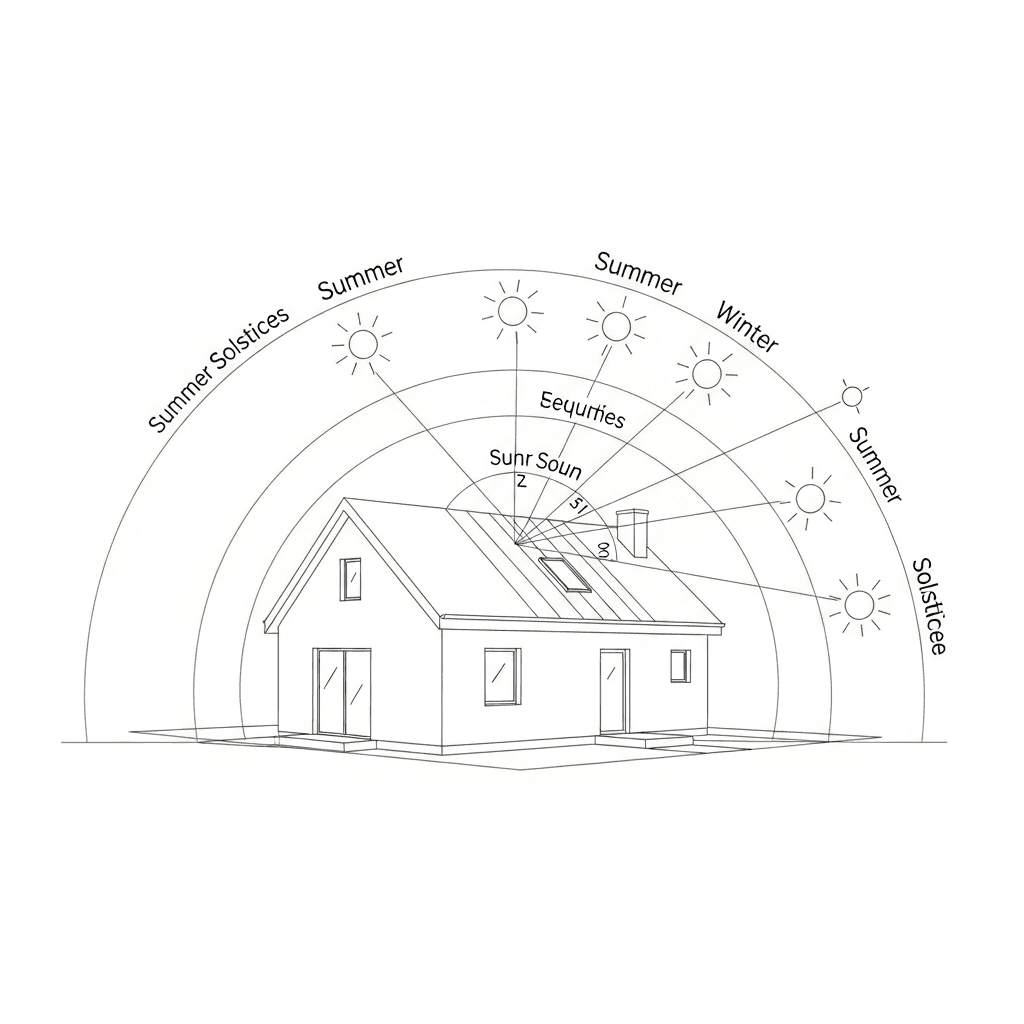
Orientation
The placement and angle of the home on the property plays an important role in passive performance. Correct angles relative to the apex of the sun in winter and summer enable the house to capture solar gain in the winter and avoid solar gain in the summer.
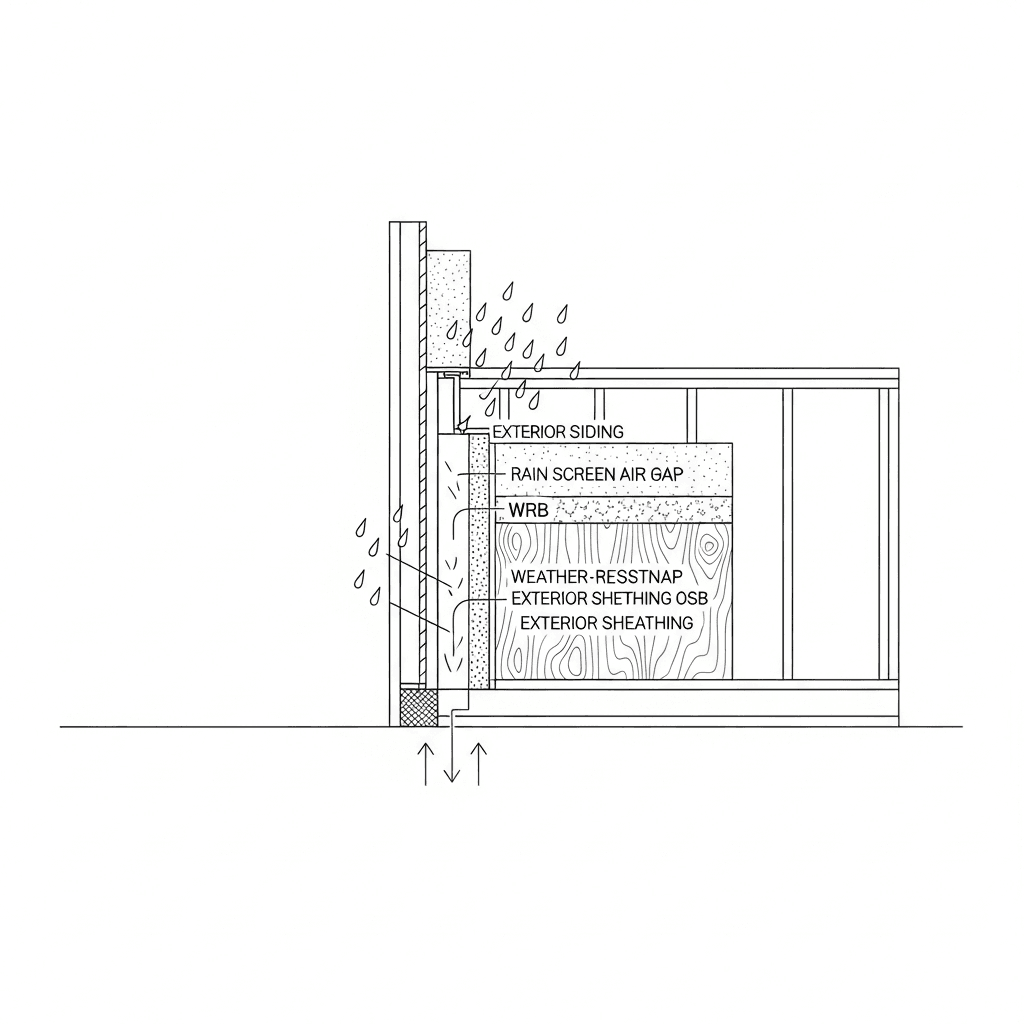
Weather Barrier
Moisture is the biggest enemy of durability. It's not a matter of if the house will get wet — it will. Designing the weather barrier is about engineering the ability for the home to shed water away from the structure and critically dry on the exterior and interior of the envelope.
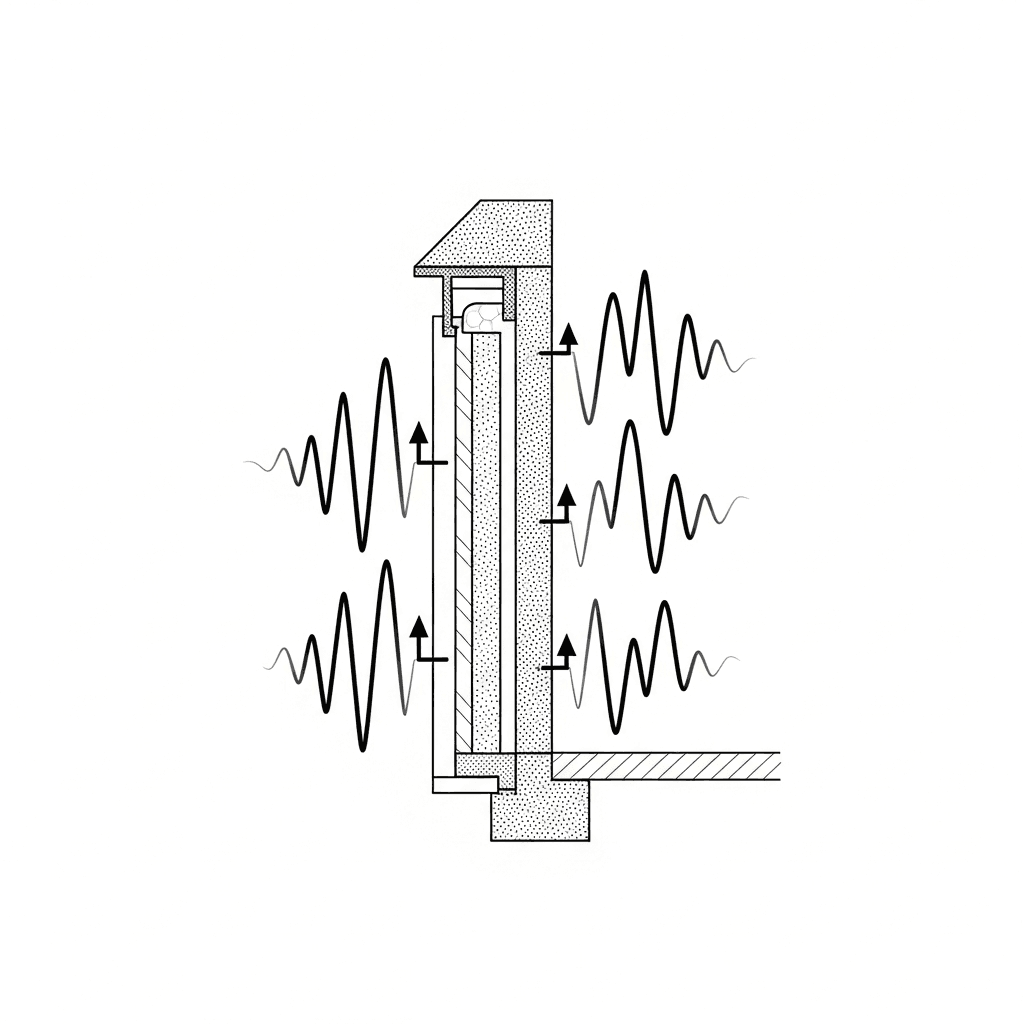
Thermal Performance
Thermal performance is the measure of the home's overall efficiency maintaining a comfortable living environment. Insulation is a component, but other factors such as continuity, thermal bridging, glazing and air leakage are also critical design elements necessary to achieving high thermal performance.
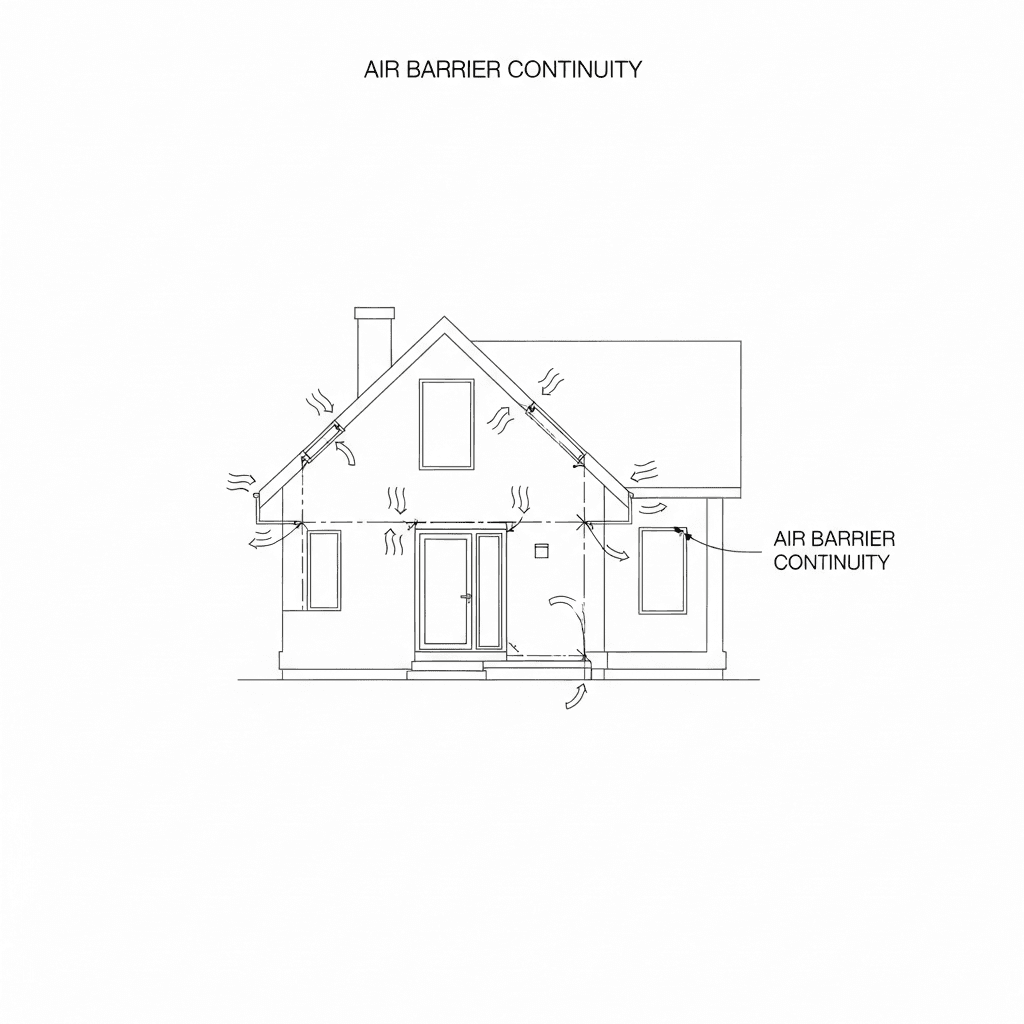
Air Barrier
Air tightness is critical. Beyond losing conditioned air to the exterior, often air entering the house is coming from the least desirable locations (attic, basement). Designing the air barrier, careful execution and measurement at multiple stages of construction are keys to achieving Passive House standards (.6 ACH/50 or better).
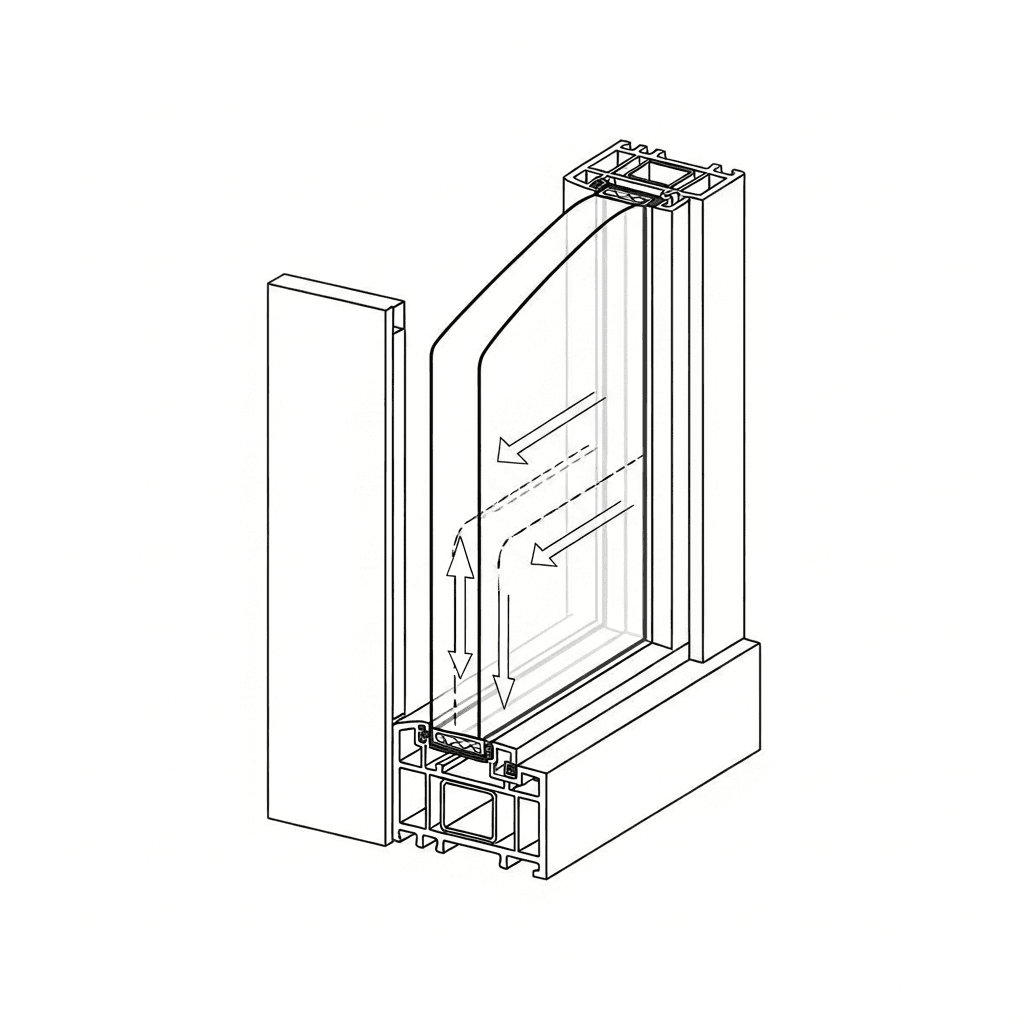
Glazing and Openings
Windows, doors and other openings play a crucial role in maintaining the continuity of the building envelope. Modern glazing options allow builders to tune thermal gain by location, achieve high thermal performance and nearly perfect air sealing.
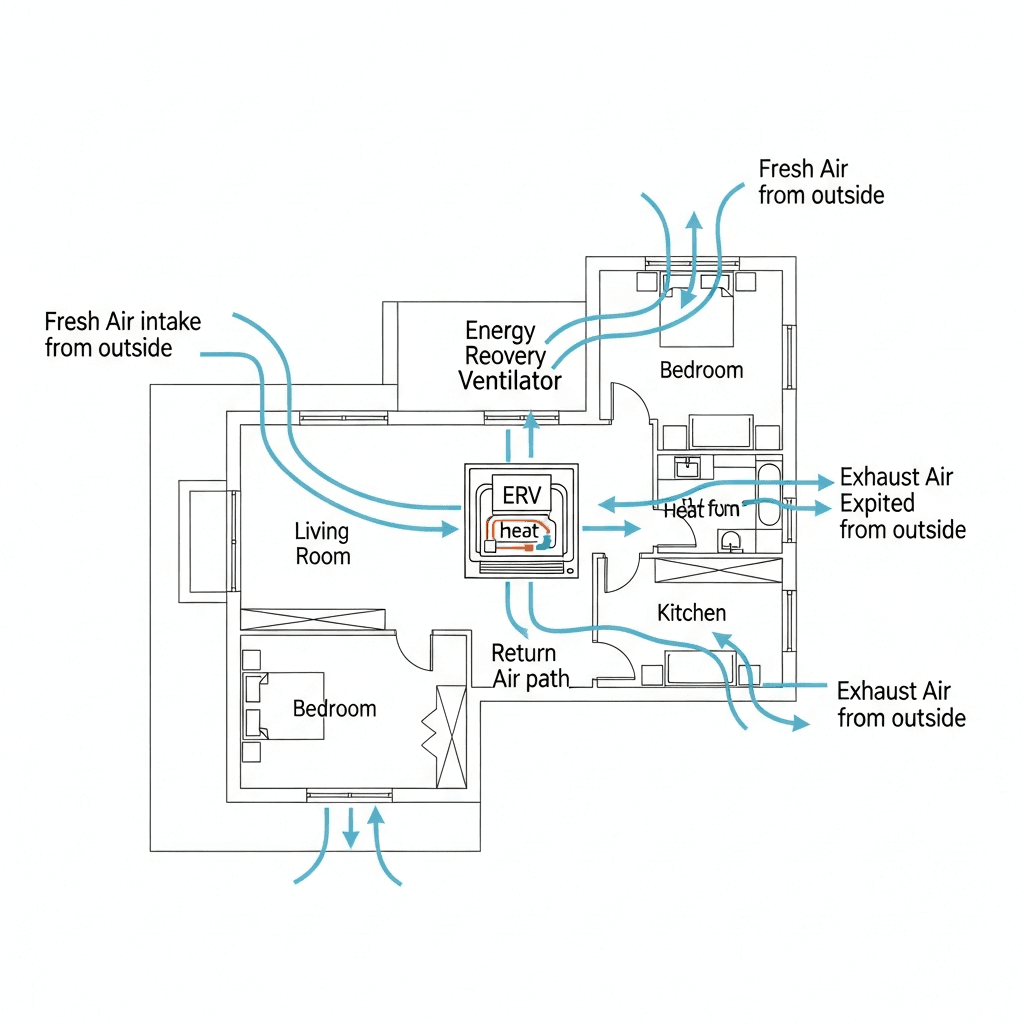
Conditioning & Ventilation
One of the primary advantages of intense focus on building envelope design is the building requires much smaller HVAC capacity to maintain ideal interior conditions. Ventilation systems such as Energy Recovery Ventilators (ERV) enable complete control of air exchanges, retaining energy, humidity and filtering external pollutants (pollens, dust, smoke).

Ready to Build Smarter?
Let's discuss how building science principles can make your custom home more comfortable, durable, and efficient.